Home › Asphalt Pathways, Sidewalks, and Trails
Precision Asphalt Orlando builds asphalt pathways, sidewalks, and multi use trails for parks, campuses, and communities in Orlando, FL. We create accessible, low maintenance routes that are comfortable for walkers, joggers, and cyclists. Our team handles layout, grading, and compaction to ensure long lasting, safe paths. Reach out for a design review and estimate for your asphalt pathway project.
Precision Asphalt Orlando provides professional asphalt pathway paving throughout Orlando, FL, Florida and the surrounding area. Our licensed, insured crew delivers safe, clean, on-time work with a free estimate before anything begins. Call (407) 250-7227 or request your free quote.
Asphalt Pathways, Sidewalks, and Trails in Orlando
If you are planning a new walking path, sidewalk, or recreational trail in the Orlando area, asphalt is a smart choice. It is smooth underfoot, easy to maintain, and stands up well to Florida’s heat and heavy rains when it is installed correctly. At Precision Asphalt Orlando, we focus on building asphalt pathways that feel safe to walk on, drain properly, and look good for years, not just the first season.
Compared to concrete, asphalt pathways are typically faster to install and more forgiving over time. They flex slightly with minor ground movement, which helps reduce trip hazards from cracked or heaved slabs. This is especially important in Central Florida, where sandy soils and occasional washouts can shift the base under your path. We design our walkways with that in mind, using base materials and compaction methods that work with our local soil conditions.
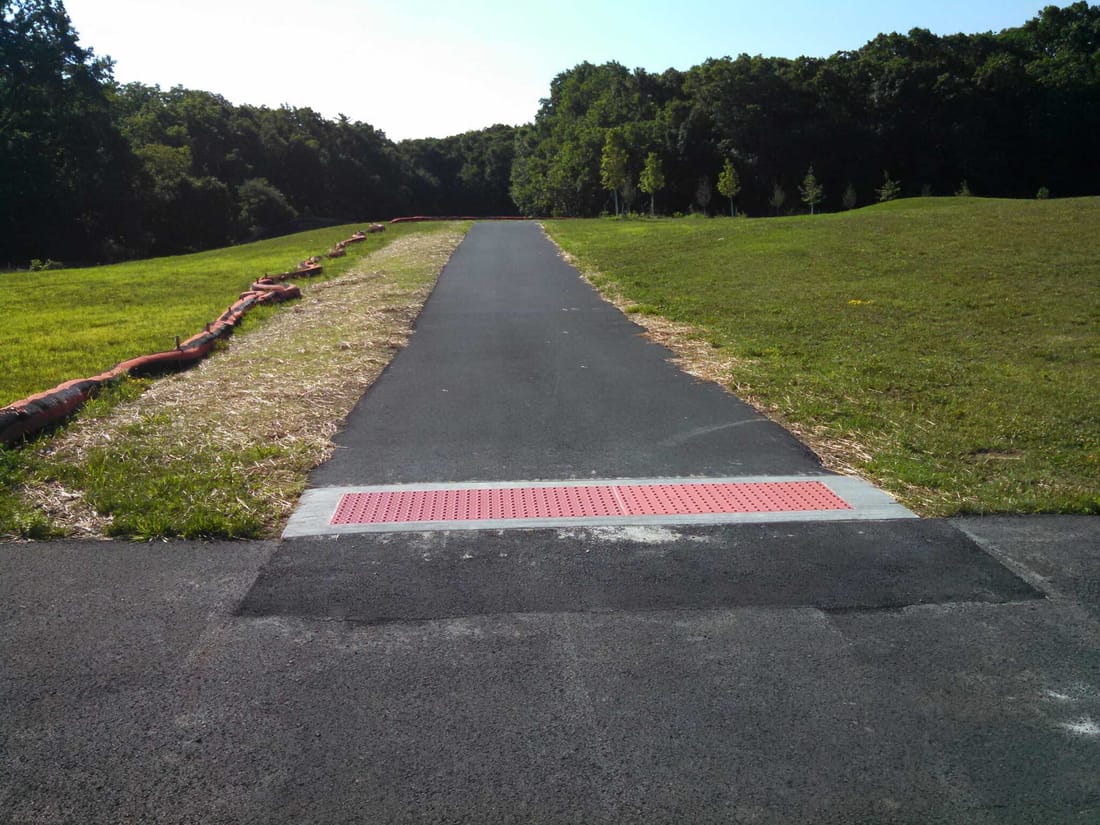
Our asphalt pathway paving service covers residential sidewalks that connect driveways and front doors, HOA walking loops around ponds, school and park walking circuits, golf cart paths, and shared use trails. Each of these needs a slightly different design, thickness, and edge treatment. We take the time to explain those differences so you know exactly what you are getting and why it fits your property in Orlando, FL.
How We Build Long‑Lasting Asphalt Pathways
A durable asphalt path starts long before the first truck shows up. Our process begins with a site walk where we look at how people will actually use the path. We check slopes, low spots where water likes to sit, tree roots, and utilities. In Orlando, afternoon storms and short, intense downpours are common, so we pay close attention to how we can shape the path to shed water instead of collecting it.
Once the layout is set, we handle excavation. For most pedestrian paths and sidewalks, we typically excavate 6 to 10 inches below the finished surface. We remove soft organic material and any loose fill. In areas with very sandy subgrade, we may recommend geotextile fabric under the base to keep the base stone from pushing into the sand over time.
Next comes the base, which is just as important as the asphalt itself. For Orlando pathways, we usually install 4 to 6 inches of compacted crushed concrete or limerock, depending on availability and your project needs. We compact in thin lifts using a vibratory roller or plate compactor along edges and tight curves. This is where a lot of low‑quality work takes shortcuts, but proper base compaction is what prevents depressions and puddles from developing later.
After the base is set and graded for proper slope, we install the asphalt. For walking paths and sidewalks, we typically use an asphalt mix designed for light loads, in a layer about 1.5 to 2 inches thick after compaction. For mixed use paths that may see golf carts or small maintenance vehicles, we increase asphalt thickness and sometimes adjust the mix for added strength. We use an asphalt roller to achieve a smooth, even surface so strollers, wheelchairs, and bikes can travel comfortably.
Finally, we address the details that often get missed: transitions to existing driveways or walks, tie‑ins at road crossings, and clear edges that can be maintained easily with a string trimmer. Where appropriate, we can add a small shoulder of compacted material along the edge of the asphalt so it is supported and less likely to ravel or break off over time.
Design Options, Layouts, and Surface Choices
Every asphalt pathway, sidewalk, or trail is a little different, and thoughtful design makes a big difference in how people use it. At Precision Asphalt Orlando, we start with width. For a simple residential side path from driveway to backyard, 3 feet wide might work. For community walking paths or school routes where people often pass each other, 5 to 6 feet is more comfortable and safer. Shared use trails that may carry bikes or golf carts often benefit from 8 feet or more.
Curves and grades matter too. In Orlando neighborhoods, paths often wind around retention ponds or through common areas. We keep curves gentle where possible, and on hills we work to keep slopes within guidelines that are comfortable for walkers and compliant with accessibility standards. Even small decisions, like adding a short landing area near steeper sections, can make the path more welcoming for older adults or people using mobility devices.
You can also influence the look and feel of the surface. Standard black asphalt offers the most cost‑effective solution. If heat buildup or brightness is a concern, especially around playgrounds or open fields, we can discuss lighter surface treatments or sealers that reflect more sunlight, although these may add cost. For pathways under dense tree cover, we sometimes recommend a slightly coarser surface texture to provide extra grip when the path gets damp from shade and morning dew.
Edge treatments are another design choice. Some customers prefer a clean asphalt edge that meets the grass, which is easy to string trim. Others like concrete or paver borders for a more finished appearance and to help contain mulch or landscaping rock. For HOA walking loops and park trails, we may suggest short sections of concrete at trash cans, benches, or intersections, since these are high‑wear spots where people often pivot or brake on bikes.
Lighting, signage, and striping can also be part of the design conversation. While we do not install electrical systems, we coordinate with your electrician or lighting contractor to set the path elevation and edges so fixtures and conduit are protected and look intentional rather than added on later.
Costs, Timeline, and Orlando Weather Factors
For asphalt pathway paving in Orlando, FL, most projects fall into a cost range influenced by three main factors: length and width, site preparation needs, and thickness of the base and asphalt layers. Straight, easily accessible pathways on relatively flat, firm ground cost less per foot than winding routes that require extra excavation, tree root management, or drainage improvements.
On many smaller residential sidewalk or backyard path projects, work can be completed in 1 to 2 days once utility locates are cleared and the schedule is confirmed. Larger HOA loops or park‑style trails might take several days to a couple of weeks, depending on length and weather. Asphalt itself cures quickly in our warm climate. Typically, light foot traffic is fine within 24 hours, though we may ask you to wait a bit longer before allowing bikes or golf carts if the surface is still quite warm and soft.
Central Florida weather affects both scheduling and technique. Hot summers are actually good for asphalt compaction, but we plan our work to avoid paving during heavy afternoon thunderstorms. Sudden rain on freshly laid asphalt can mar the surface or affect compaction, so we watch radar closely and sometimes start earlier in the day to stay ahead of storms. In the cooler months, we work more carefully with truck timing and compaction so the asphalt does not cool too quickly before it is fully compacted.
Drainage is a cost driver here as well. If your property has flat or low‑lying areas, we may recommend small swales, underdrains, or additional grading to move water away from the path. These items add some upfront cost but save you from standing water that softens the base and leads to premature cracking or depressions. We will show you any problem areas during the estimate so you can see why we are recommending these solutions rather than just reading them on a proposal.
Permitting can come into play for certain projects, especially if the pathway connects to a public sidewalk or crosses a right of way. We can help you understand when permits or HOA approvals are needed and factor that timeline into the project schedule.
Common Problems, Maintenance, and How We Help
Even a well built asphalt pathway will need some attention over the years, especially in a climate like Orlando’s with intense UV, frequent rain, and occasional tree root pressure. Precision Asphalt Orlando focuses on preventing problems at the design and installation stage, then giving you a clear plan for simple maintenance.
The most common issues we see on poorly built paths are ponding water, edge break‑off, and surface raveling. To prevent ponding, we set consistent cross‑slopes so water runs gently off the path, usually at a 1 to 2 percent grade. Where we cannot achieve that because of existing structures or tight spaces, we may suggest small drains or inlets instead of forcing a bad slope that still leaves water on the walking surface.
Edge failure often comes from leaving the asphalt unsupported or driving heavier equipment along a path designed only for pedestrians. We combat that by compacting the base beyond the asphalt edge and sometimes adding a compacted shoulder. If you plan to run golf carts or maintenance carts on the path, we will specify that up front and design the thickness and base to handle that extra load.
Routine maintenance for asphalt pathways in Orlando typically involves occasional crack filling and periodic sealcoating, especially for paths in full sun. UV and heat can dry out the asphalt binder over time. A quality sealer, applied on the right schedule, helps slow that process and keeps the surface smoother and easier to clean. We can inspect your existing paths and recommend a maintenance plan tailored to how heavily they are used and how much sun and water they see.
If you already have an older asphalt pathway or sidewalk that is uneven or showing its age, we offer repairs and resurfacing. Small, localized issues can often be patched or leveled without replacing the entire path. For longer cracks or widespread wear, we may suggest milling and resurfacing the top layer, which gives you a fresh, smooth surface while reusing the stable base underneath. We will walk the path with you, point out what is cosmetic versus structural, and outline practical options instead of automatically jumping to full replacement.
Overall, our goal is to build and maintain asphalt pathways, sidewalks, and trails that feel safe, look cared for, and fit naturally into your property. From the first layout conversation to the final cleanup, Precision Asphalt Orlando keeps the process straightforward so you can be confident in the path people will use every day.