Home › Gravel-to-Asphalt Conversions
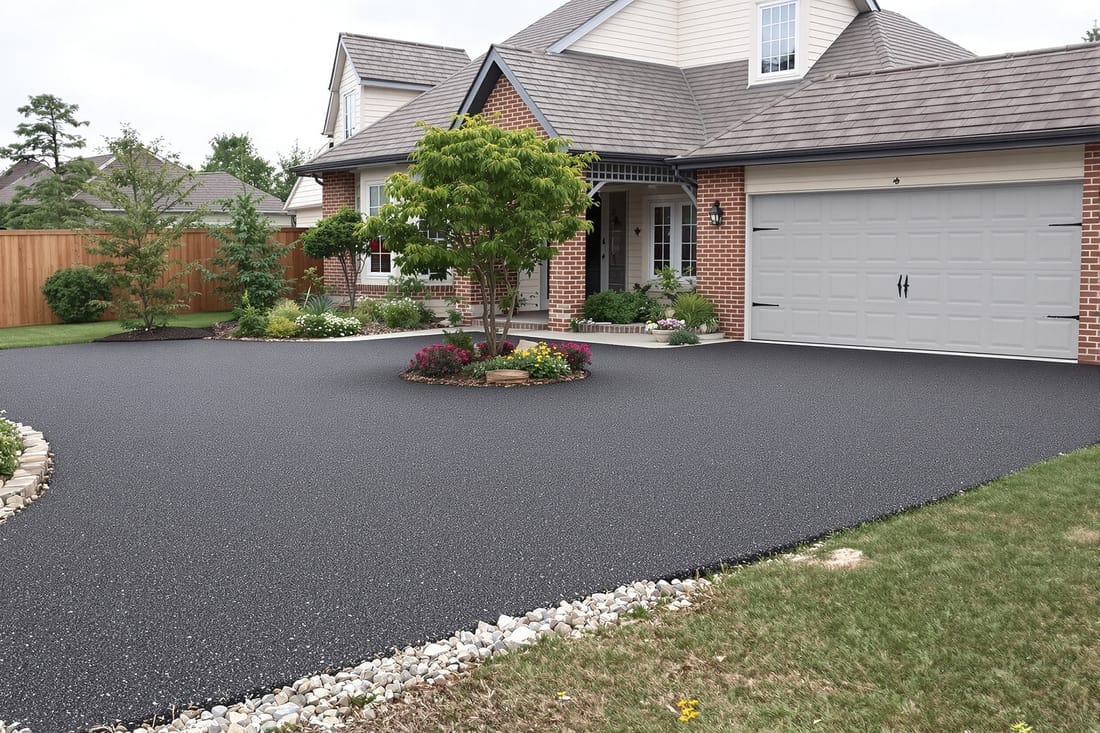
Upgrade from ruts and dust with a gravel to asphalt driveway conversion in Florida, FL. We regrade your drive, compact the base, add stone if needed, and pave with quality asphalt. The result is a cleaner entry with less mud, easier snow removal, and better curb appeal for your home.
Precision Asphalt Florida provides professional gravel to asphalt driveway throughout Florida, FL, Florida and the surrounding area. Our licensed, insured crew delivers safe, clean, on-time work with a free estimate before anything begins. Call (407) 250-7227 or request your free quote.
Turn Your Gravel Driveway Into a Clean, Durable Asphalt Surface
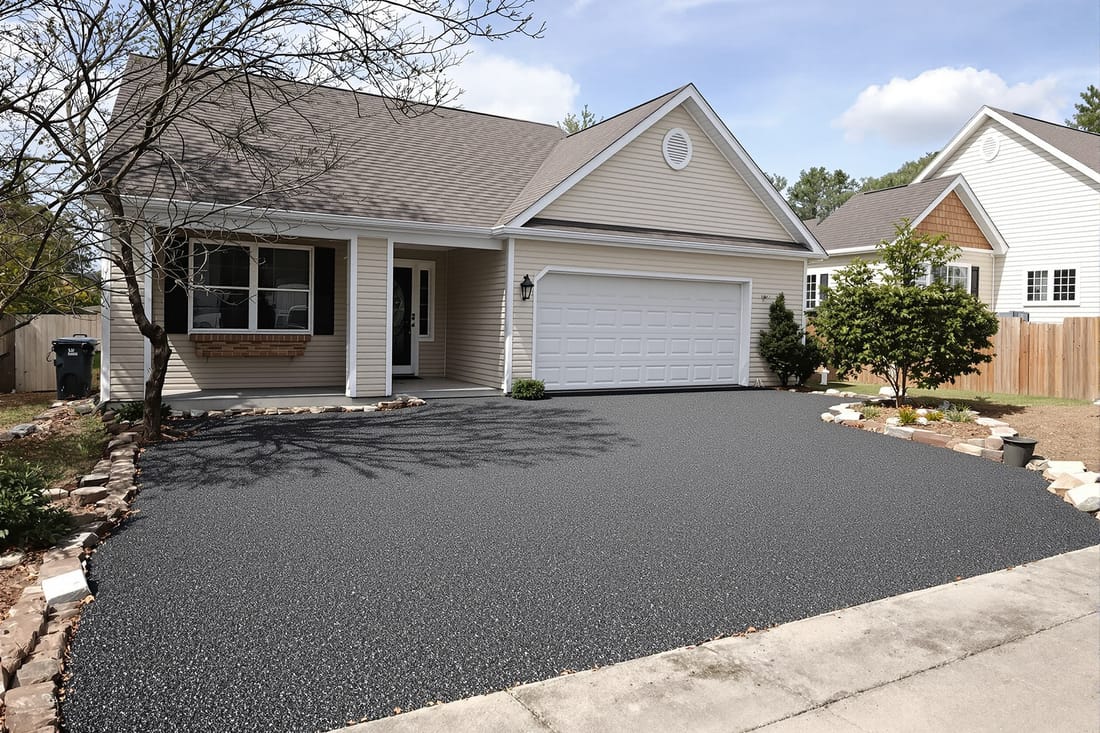
If you are tired of ruts, washouts, and loose rock, a gravel to asphalt driveway conversion can make your property in Florida, FL cleaner, safer, and easier to maintain. Precision Asphalt Florida focuses specifically on turning existing gravel drives and parking areas into smooth, long‑lasting asphalt surfaces that stand up to Florida weather.
Instead of a one‑size‑fits‑all approach, we look at how you actually use the driveway. Heavy boat trailers, work trucks, RV parking, or frequent delivery traffic all affect how we design and build the pavement section. We also factor in your drainage, shade and sun exposure, and how close your drive sits to the street or ditch. Our goal is not just a black surface, but a driveway that drains correctly, does not rut under tires, and still looks good years from now.
Many of our customers in Florida, FL start with the simple question, "Can I pave over my existing gravel?" The answer is, sometimes. The existing gravel is an asset if it is compacted and the base is thick enough. Precision Asphalt Florida will evaluate that base in person and tell you clearly what can be reused and what must be rebuilt before asphalt goes down.
Site visit, base inspection, and planning your gravel to asphalt driveway
Every conversion begins with a site visit. A Precision Asphalt Florida estimator walks your driveway on foot, checks for soft spots, standing water, and areas where gravel has migrated. We look at how your property slopes toward the street, your house, or nearby structures, and we note tree roots, culvert locations, and any existing concrete that ties into the gravel.
We usually dig a few small test holes at the edge of the drive to see how deep the gravel layer is and whether there is a solid limerock or soil base beneath it. In Florida, FL, it is common to find pockets of soft sand or organic material under older drives. Those areas must be corrected or your new asphalt will crack and sink.
During planning, we discuss driveway width and layout. Many homeowners decide to widen a narrow gravel drive when they convert to asphalt, so two vehicles can pass or so there is room to back a trailer. We can straighten tight curves, ease the slope at the street, or add a parking pad near the garage. We mark out any changes with paint so you can see exactly what the finished drive will cover before work begins.
How Precision Asphalt Florida prepares your base for lasting asphalt
A long‑lasting gravel to asphalt driveway in Florida, FL depends on base preparation more than any other step. Precision Asphalt Florida begins by shaping and compacting your existing gravel with a motor grader or skid steer. We remove loose, contaminated, or muddy material, then rework what is solid into a uniform layer.
If your base is too thin or soft, we import additional limerock or DOT‑approved base rock. This is spread in controlled lifts, usually 3 to 4 inches at a time, and compacted with a vibratory roller. On driveways that will see heavy loads, such as work trucks or RVs, we may recommend a thicker base section so the asphalt does not flex excessively.
Drainage is critical in our Florida climate. We correct low spots where water currently ponds after storms, and we may install shallow swales or small berms to guide water toward an existing ditch or culvert. Around garages, we pay close attention so water flows away from the slab, not toward it. If needed, we can reset or extend driveway culverts at the road so the new asphalt has proper support and a clean tie‑in to the street.
Once the base is shaped, we compact it to a tight, unyielding surface. We will not schedule paving until the base passes a physical proof roll, where we drive loaded equipment over it and check for deflection or pumping. If we see any issues, we correct them before asphalt arrives.
Asphalt paving options, thickness, and finishing details
After the base is ready, Precision Asphalt Florida installs the asphalt surface using hot‑mix asphalt from a local Florida plant. The most common choice for residential gravel to asphalt driveway conversions in Florida, FL is a dense‑graded asphalt that balances durability with smooth appearance.
For typical car and light truck traffic, we usually recommend between 1.5 and 2 inches of compacted asphalt over a properly built base. For heavier use, such as commercial vans, delivery traffic, or RV storage, we may increase that to 2.5 or 3 inches or use a two‑lift system, with a stronger base course and a finer surface course.
Edges are a detail we take seriously. We compact the asphalt about 6 inches beyond the edge of the base, then slope and taper the sides so rainwater runs off without undermining the pavement. Where the new drive meets the street, sidewalk, or an existing concrete slab, we create smooth transitions with saw cuts and careful grading so you do not feel a bump every time you drive over the joint.
You can choose a straight, clean‑lined driveway or softer curves that match your landscaping. Some homeowners in Florida, FL request widened areas for guest parking or to make it easier to swing a boat trailer into the side yard. We include these layout options in the plan so the finished asphalt has an intentional, finished look.
Local Florida conditions that affect gravel to asphalt driveway projects
Florida, FL weather and soil create specific challenges that we plan for during a gravel to asphalt driveway conversion. Heavy summer rains can wash out the sides of a poorly built base, and our sandy soils can shift under repeated traffic if not properly compacted.
To handle this, Precision Asphalt Florida often builds in slightly more base thickness at the road entrance, around curves, and in any area where we see rutting in your current gravel. These zones usually carry the highest stresses from turning tires and braking.
Heat is another factor. Dark asphalt can easily reach high surface temperatures in the Florida sun. While this is normal, it is one reason we are particular about compaction. A well‑compacted mix is more resistant to scuffing and shoving on hot days, especially where vehicles turn sharply, such as near garage doors or at the street.
Tree roots are a common issue in residential neighborhoods. Instead of simply paving over them, we look at the specific trees and root locations. In some cases, we will adjust the alignment a few feet to avoid major roots. In others, we may remove shallow surface roots and rebuild the base so they are less likely to push the new asphalt upward later.
What drives cost and timeline for your gravel to asphalt driveway
Homeowners in Florida, FL usually want to know why estimates for gravel to asphalt driveway projects can vary. The two biggest cost drivers are base work and overall square footage. A long driveway that already has a solid, thick gravel base will be more economical per square foot than a shorter drive built over soft sand that requires excavation and imported base.
Other cost factors include driveway width changes, culvert replacement, and drainage improvements. If we need to adjust utilities, such as working around water meters or irrigation lines at the edge of the drive, that can add labor. Precision Asphalt Florida explains each line item before work begins, so you see exactly what you are paying for.
On most residential projects, base preparation takes one day, followed by a day of paving, weather permitting. Larger or more complex layouts may extend to three or four working days. Once the asphalt is in place, we generally recommend keeping vehicles off it for 24 to 48 hours, although you can usually walk on it much sooner. We plan the schedule with you so you are not unexpectedly blocked in or out of your property.
We obtain any required local permits for street tie‑in work or culvert changes, coordinate with the city or county if needed, and schedule inspections when required. Our aim is to keep the process smooth so you do not have to juggle multiple contractors or agencies.
How to care for your new asphalt driveway and get a clear estimate
A properly built gravel to asphalt driveway does not require complicated maintenance, but a few habits will help it last longer in Florida, FL. Avoid parking heavy equipment or trailers with kickstands on the same small area for long periods, especially in the first summer. Place small pads under trailer jacks or metal stands so they do not leave impressions.
Keep the edges protected. The strongest part of the driveway is over the compacted base. Repeatedly driving off the edge can break it down, so we recommend keeping vehicle tires on the paved surface and, if possible, adding a narrow strip of sod, shell, or rock along the sides to support the edge and aid drainage.
We usually suggest considering professional sealcoating after the first year or two, once the asphalt has fully cured. Sealcoat helps slow down oxidation from sun and rain and keeps the surface looking darker and more uniform. Precision Asphalt Florida can inspect the driveway over time and advise whether sealing or minor crack filling is worthwhile for your specific site.
If you are considering a gravel to asphalt driveway conversion, we encourage you to schedule a no‑pressure site visit. We will walk the property with you, check your base, talk through layout options, and provide a written estimate that explains the scope, materials, and timeline in plain language, so you can make a confident decision for your Florida, FL home or business.